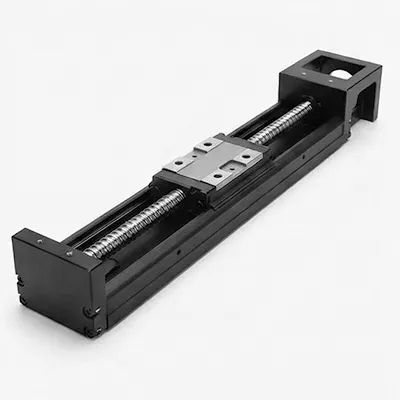
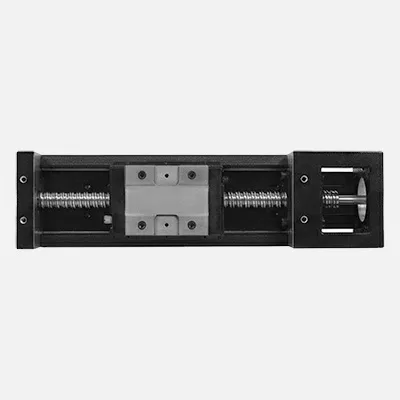
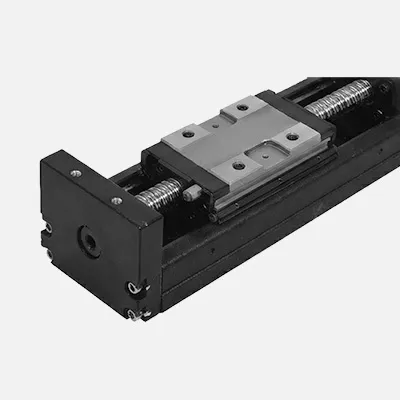
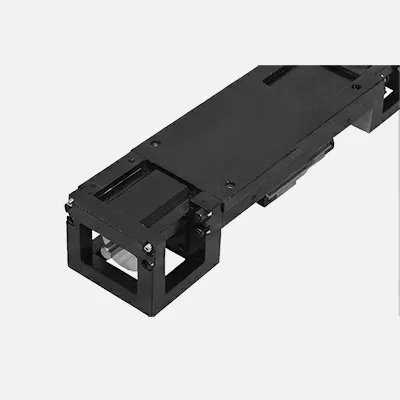
KK30 Linear Module

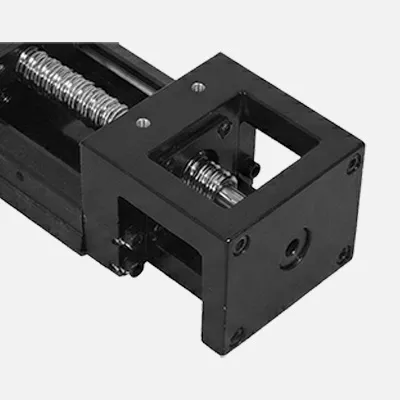
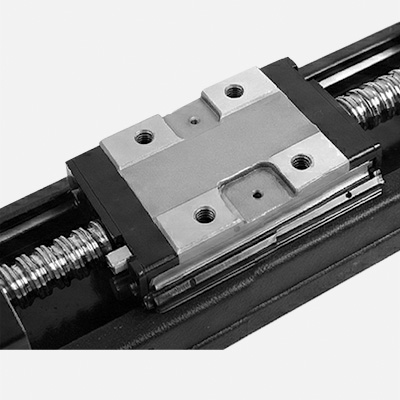
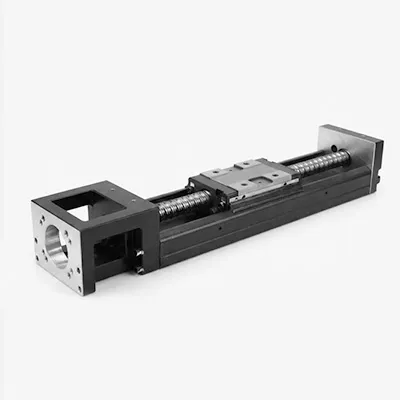
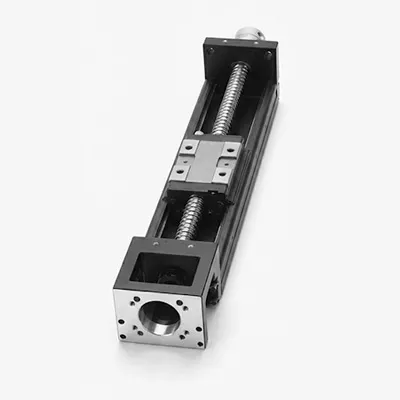
The KK30 is a single-axis robotic arm specifically designed for precision micro-automation. It features a U-shaped steel base design. By highly integrating the functions of a ball screw and linear guide into a steel body just 30mm wide, the unit achieves outstanding rigidity and precision, making it the preferred drive component for your space-constrained equipment.

  • Ultra-Compact
  • High Rigidity
  • Integrated Design
  • Easy Installation

Precise Structural Analysis

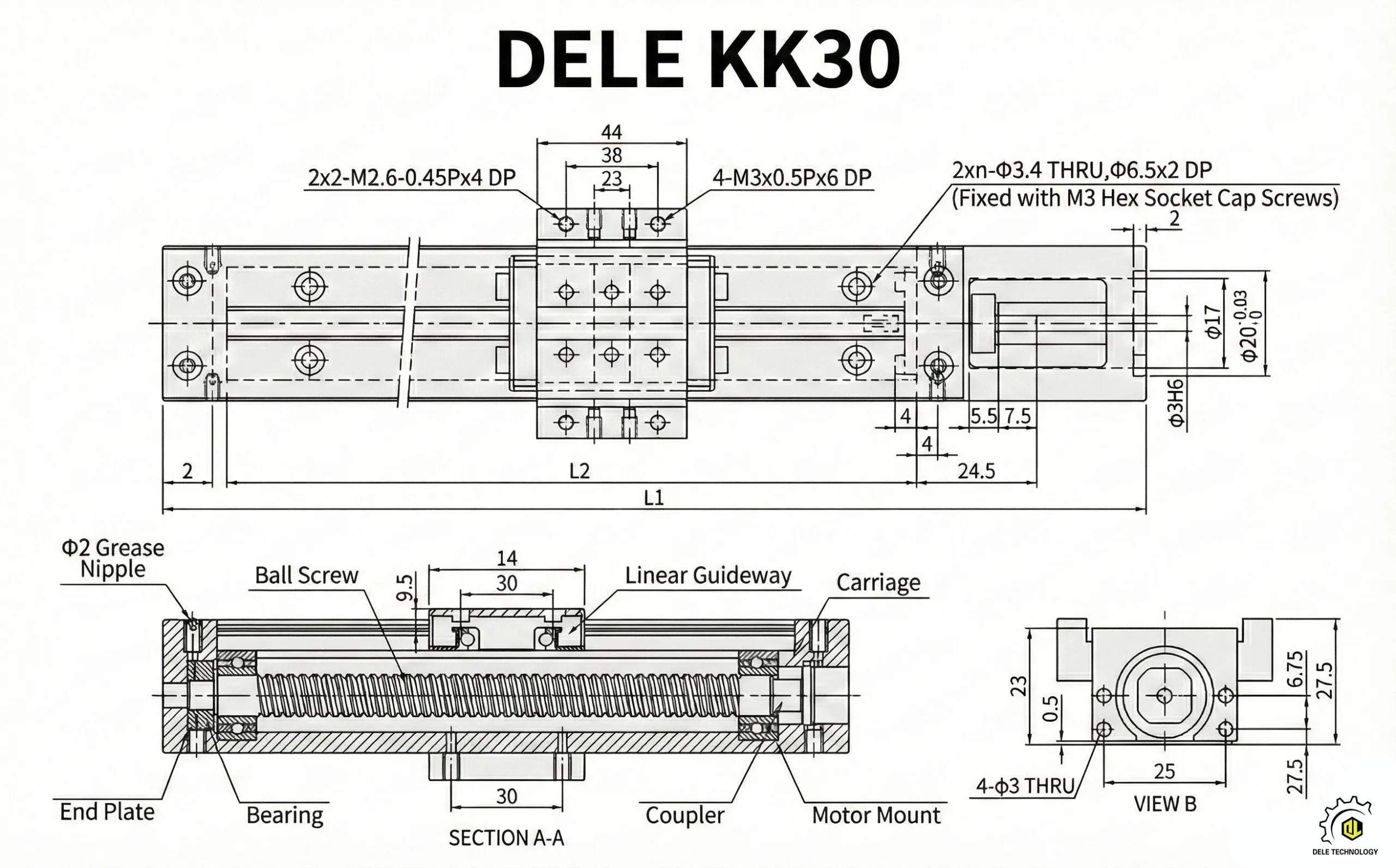
Specifications And Drawings

Item Specification / Value
Module Width 30 mm
Rail Type U-shaped Integrated Steel Rail (Gothic Arch Groove)
Drive Mechanism Precision Ball Screw (Ø8mm)
Lead 1mm (High Thrust) / 2mm (Standard Speed)
Stroke Range 30mm ~ 300mm (50mm increments)
Max. Horizontal Load Approx. 10kg – 12kg
Max. Vertical Load Approx. 3kg – 4kg
Max. Speed 70mm/s (Lead 1) / 140mm/s (Lead 2)
Motor Flange NEMA 11 (Size 28 Stepper) / Size 20 Servo
Check Download

Additional Information

KK30 Module: The Precision Unit That Solves Your Space Anxiety

If you’re designing a desktop precision instrument or need to cram a transmission mechanism into a tiny space, the KK30 is your absolute savior. Forget the hassle of sourcing rails, lead screws, and brackets for tedious assembly. This compact 30mm-wide unit integrates everything you need. Simply mount it into your device, freeing up ample space for circuit boards or sensors. For those seeking to slim down their equipment, it’s the perfect solution.
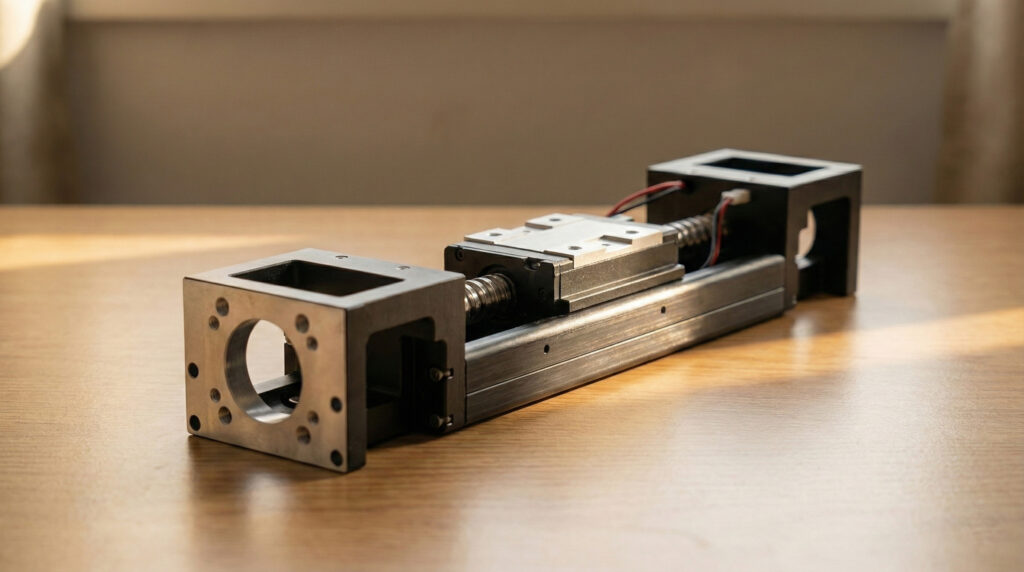
KK30 Module

However, before you begin installation, I must emphasize one critical point: Never overlook the flatness of your mounting surface. The KK30 features a U-shaped steel base with exceptional rigidity. If your mounting plate is uneven, tightening the screws will forcefully distort the entire module. This distortion will cause the slider to move sluggishly or even seize up completely. Therefore, ensure your mounting surface is precision-machined. Treat its base with care, and it will reward you with micron-level precision.

Finally, don’t forget to give it a little “care.” Although the KK30 appears well-sealed, don’t assume it’s maintenance-free. Especially when used in high-frequency applications, remember to periodically check the grease inside the slider. If you hear a gritty, scraping sound, it’s already protesting. As long as you remember to periodically replenish the grease, you’ll find it truly durable, capable of keeping your equipment running smoothly for many years.
Interested in this device?

Our engineers are ready to provide you with consulting services.

We promise to keep your information strictly confidential

FAQ

KK30 linear module vertical load capacity?
Although official data states vertical load capacity is 3-4kg, I recommend playing it safe and limiting it to 1.5kg to 2kg for optimal stability. This is because the KK30's lead screw is exceptionally smooth. With a 2mm lead, the ram can easily back-drive under gravity after power loss.
KK30 motor mount NEMA 11 vs NEMA 17?
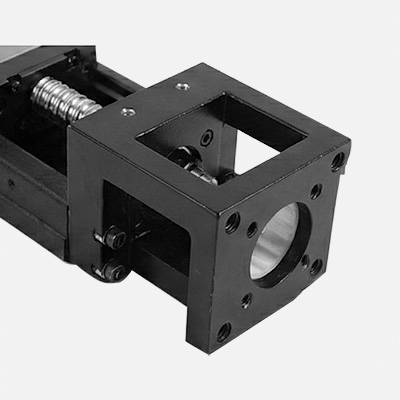
The KK30 comes standard with a NEMA 11 (28-type) small stepper motor—essentially a small square with 28mm sides. Many people habitually purchase NEMA 17 (42-step) motors only to discover the flange doesn't align at all because it's too large. Unless you fabricate an adapter plate yourself, it simply won't fit.
What should I do if my KK30 makes noise after prolonged use? How should I maintain it?
You should know that precision components like the KK30 are most vulnerable to dry grinding. If you hear a ‘squeaking’ sound, it's likely due to insufficient lubrication. There's usually a tiny oil injection hole on the side of its slider. Avoid using grease (it's too thick and creates resistance). Instead, get some low-viscosity lithium-based grease or specialized linear guide lubricant. If you don't have a grease gun, the simplest method is to dip a cotton swab in oil and apply it to the lead screw and rail grooves. Then run the slider back and forth a few times to work the oil in. Also, remember to wipe away any dust buildup at both ends.
How do I install limit sensors on a KK30 module?
This is a thin metal strip that mounts along the side of the module. You will also need to attach a small 'flag' or metal plate to the slider block to trigger the sensor. I recommend checking the manufacturer's catalog for the specific 'Sensor Kit' part number compatible with the KK30, as DIY mounting can be difficult on such a small profile.
What are the flatness requirements for the mounting surface?
This is a critical point. Because the KK30 utilizes a U-shaped steel rail, it is extremely rigid. If you mount it onto an uneven surface (like an unmachined aluminum plate), tightening the bolts will force the steel rail to twist. This will cause the slider to bind or increase friction significantly, leading to premature wear. We strongly recommend mounting the KK30 on a precision-machined surface. If that is not possible, please ensure you shim the mounting points carefully to avoid distorting the rail.

Other Products

KK86 Linear Module

KK86 Linear Module

KK50 Linear Module

KK50 Linear Module

KK130 Linear Module

KK130 Linear Module

Get A Quick Inquiry

Upload drawings or send inquiry plans, our engineers will provide you with a manufacturability analysis (DFM) and quotation within 24 hours.